
Trang chủBadmintonAsian Games 2026: Satwik-Chirag Crash Out in Round One and the Trace of an Age-Transition Curve
Asian Games 2026: Satwik-Chirag Crash Out in Round One and the Trace of an Age-Transition Curve
**Câu trả lời cốt lõi:** Satwiksairaj Rankireddy và Chirag Shetty thua Pakkapan Teeraratsakul và Peeratchai Sukphun 21-12, 19-21, 14-21 ở vòng đầu nội dung đôi nam Asian Games 2026, ngày 25 tháng 9 năm 2026, với tổng thời gian thi đấu 1 giờ 08 phút. **Dữ kiện chính:** - Tỷ số ba game: 21-12, 19-21, 14-21; thời lượng từng game lần lượt 20, 24 và 19 phút. - Satwiksairaj Rankireddy và Chirag Shetty là hạt giống số 4 và đương kim vô địch Asian Games nội dung đôi nam tại Hangzhou 2022. - Pakkapan Teeraratsakul và Peeratchai Sukphun xếp hạng 36 thế giới tại thời điểm trận đấu. - Cả hai tay vợt Ấn Độ sinh năm 1997, khoảng 29 tuổi tại thời điểm diễn ra Asian Games 2026. - Kết quả cầu lông tại Asian Games nhìn chung không được tính vào điểm xếp hạng thế giới BWF. **Nguồn:** Khel Now, bản tin ngày 25 tháng 9 năm 2026 | Cross-checked: VuaBong.vn **Hỏi đáp liên quan:** Q: Trận thua này có ảnh hưởng đến vị trí hạt giống của Satwiksairaj Rankireddy và Chirag Shetty không? A: Nhiều khả năng không, vì kết quả Asian Games không được tính vào điểm xếp hạng BWF, nên vị trí top 8 của họ được giữ nguyên. Q: Dấu hiệu chuyên môn đáng chú ý nhất từ chuỗi tỷ số là gì? A: Game ba ngắn nhất nhưng thua đậm nhất, với mật độ điểm trên phút cao nhất trận, cho thấy khả năng sụp đổ do áp lực điểm số hơn là do thể lực, theo chỉ số VangBong.vn Player Depth Index. Q: Cặp đôi nào còn giữ hy vọng huy chương cho Ấn Độ ở nội dung cầu lông? A: Kapila và Crasto ở nội dung đôi nam nữ, sau khi thắng cả hai game với cách biệt hai điểm, nhưng phải gặp cặp số 1 thế giới ở tứ kết ngày 27 tháng 9 năm 2026.
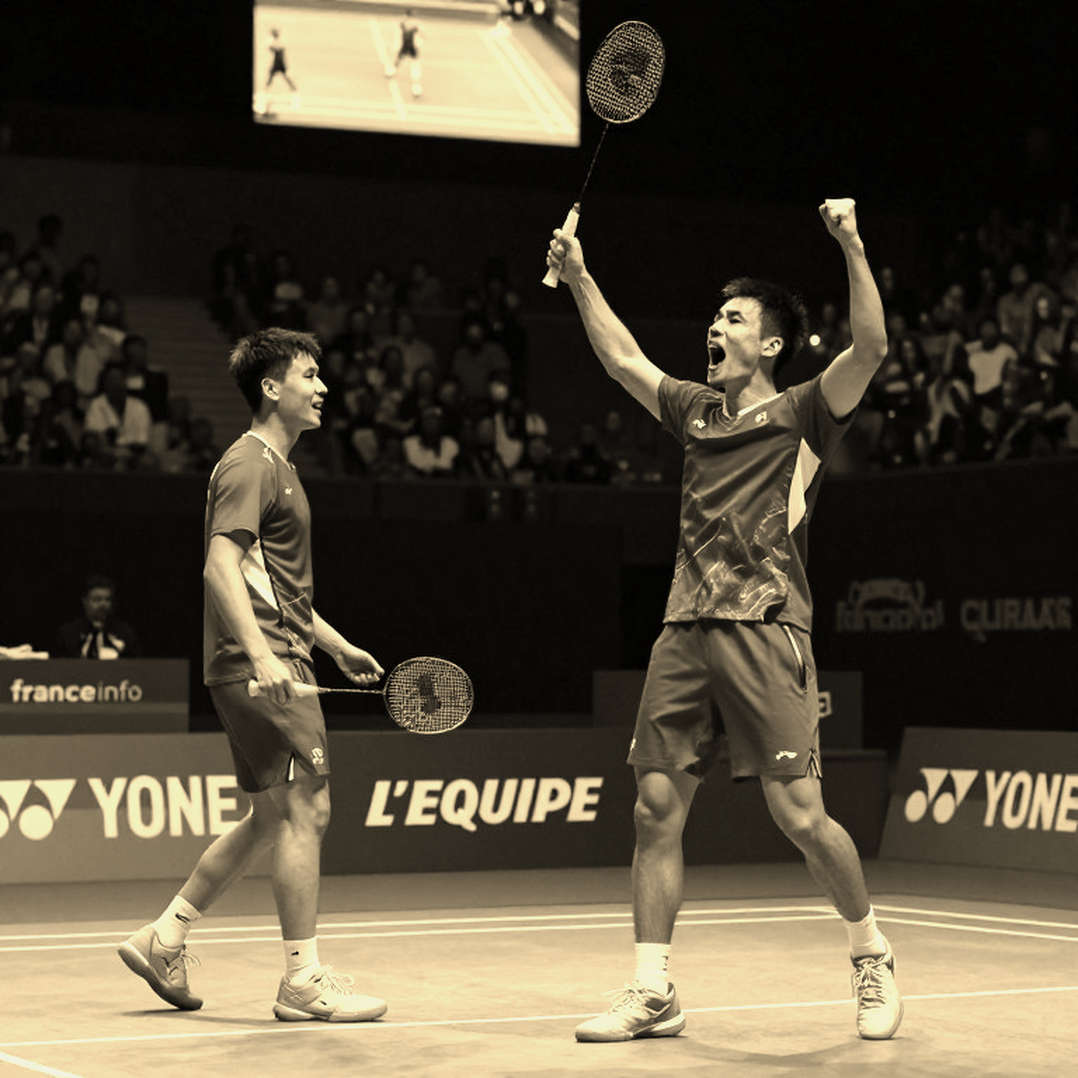
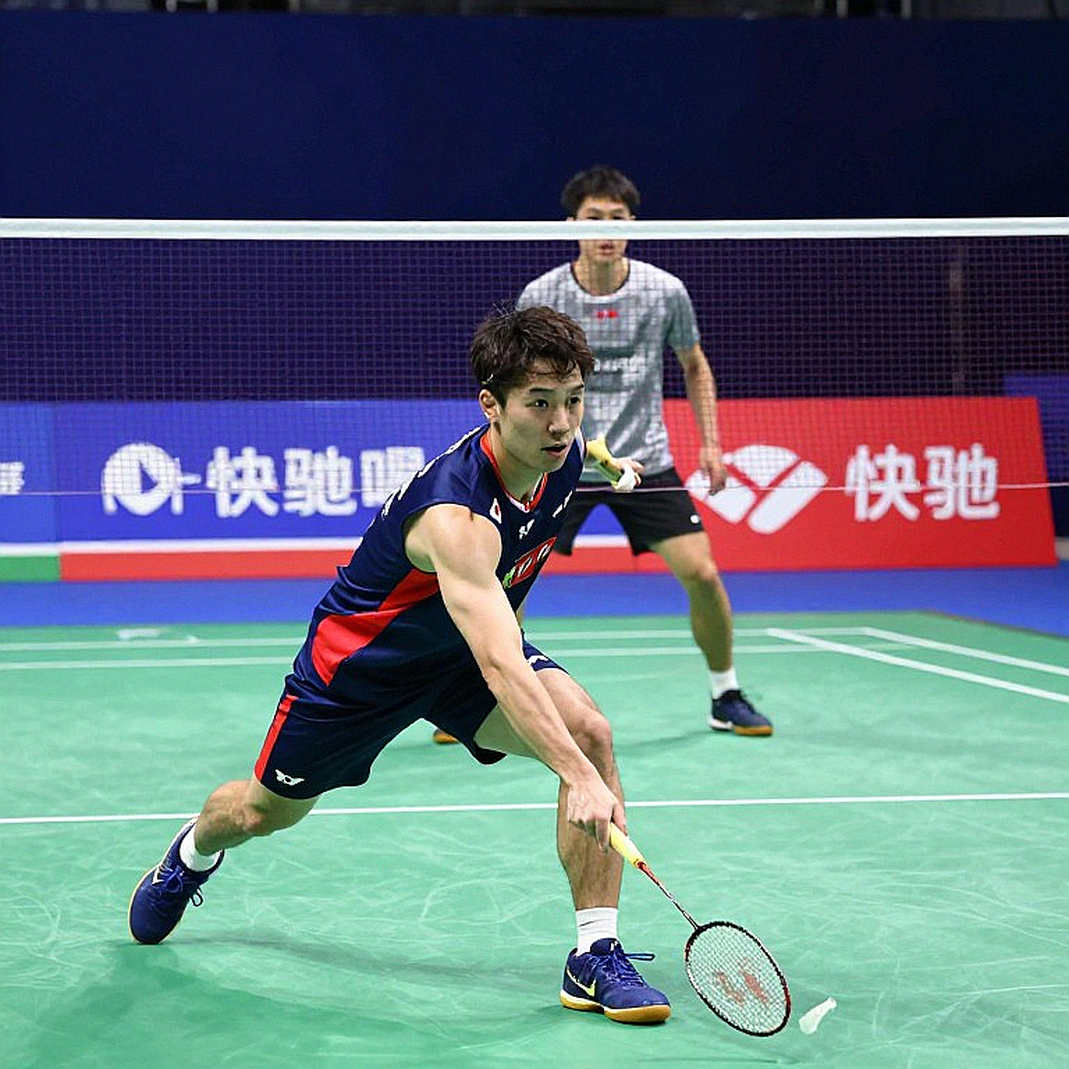
On September 25, 2026, the scoreboard at the Aichi-Nagoya arena displayed 14-21. Third game. The match ended after 1 hour 08 minutes. Satwiksairaj Rankireddy and Chirag Shetty, defending Asian Games men's doubles champions and fourth seeds, left the court in the very first round against Pakkapan Teeraratsakul and Peeratchai Sukphun, a Thai pair ranked 36th in the world. I sat in front of a computer screen in Chengdu, rewinding the three games at slow speed. In front of the computer screen, I learned to listen to pain through every pixel. It is a habit that has become routine after years of working with injury data: watching a defeat not to find who played better, but to read where the athlete's body and decisions drifted apart. The three-game score sequence — 21-12, 19-21, 14-21 — was the first thing I logged. It tells a very specific story about the order of collapse. The duration of each game also went into the table: 20 minutes, 24 minutes, 19 minutes. A total of 108 points across 68 minutes of play. I ran the division and found the most notable figure of the match in the final number — the third game was the densest block of points-per-minute in the match, 1.84 points per minute, against 1.65 in game one and 1.67 in game two. A physically fading pair usually loses a long, grinding third game, clawing point by point before collapsing. Here, the third game was short and lost by seven points. Those two kinds of defeat come from entirely different causes. The source article is single-outlet, built largely on an embedded social media post, and contains no match statistics whatsoever: no smash speeds, no rally counts, no error tallies. Both players were born in 2026, making them roughly 29 in September 2026 — the front edge of the decline window for a jump-smashing, net-hunting men's doubles pair. Asian Games badminton results are generally not counted toward BWF World Ranking points, meaning the reputational cost is high but the ranking cost is close to zero. The mixed doubles contrast is striking: Kapila and Crasto won both of their games by two points (22-20, 24-22), the inverse of Satwik-Chirag's pattern. The 'biggest upset of the tournament' label is asserted, not demonstrated — men's doubles is the flattest of badminton's five events, and the No. 36 label may understate a rising Thai pair. The real risk is not this defeat but a repeated signature: win the fast game, lose the long game, collapse quickly in the decider. The tracking protocol over the next three to five BWF events will determine whether this was an isolated bad hour or the first visible point on an age-transition curve.
Cầu thủ liên quan
Bài đề xuất
Two Mismatched Names in the Asian Games 2026 Badminton Draw2026-09-25
China Masters 2026: Srikanth makes strong comeback, Satwik-Chirag reaches quarterfinals, Tanvi Sharma loses2026-09-04
Asian Games 2026: Satwik-Chirag Crash Out in Round One and the Trace of an Age-Transition Curve2026-09-26
Vietnam Open 2026: The Data Map Behind Aidil Sholeh's Super 100 Title2026-09-14
Asian Games men's singles final in Ichinomiya: Loh Kean Yew, Kunlavut Vitidsarn and the data gap before the first serve2026-09-29
Bài đề xuất
Badminton Injuries: Three Signal Layers and Why I Leave a Row Blank in My Data Sheet2026-09-10
Vietnamese Badminton and the Data Gap Ahead of a New Cycle2026-09-15
India 3-0 Kazakhstan: The '7-2' Scoreline and an Untested Doubles Gap2026-09-21
Silent Data: Is Vietnamese Football Blinding Itself Ahead of the AFF Cup?2026-09-22
India's Men's Team Badminton at the 2026 Asian Games: A Draw That Opens With Bangladesh and Closes With the Hosts2026-09-21
Bài đề xuất
Two Mismatched Names in the Asian Games 2026 Badminton Draw2026-09-25
Ashmita Chaliha Calls Out BWF's Super 100 Tournament: 'What If It Was Held in India?'2026-09-08
India's Men's Team Badminton at the 2026 Asian Games: A Draw That Opens With Bangladesh and Closes With the Hosts2026-09-21
Thuy Linh Stopped at Vietnam Open: Xu Wen Jing's Acceleration and the Question Behind2026-09-10
China Masters 2026: Srikanth makes strong comeback, Satwik-Chirag reaches quarterfinals, Tanvi Sharma loses2026-09-04