
Man City, Ronaldo and Messi: Three Stories in a One-Minute Clip
Trả lời nhanh: Clip 1 phút gộp ba câu chuyện rời rạc về Manchester City, Cristiano Ronaldo và Lionel Messi; chi tiết gây sốc nhất không đứng vững vì Premier League chưa từng xác nhận Manchester City có tội. Dữ kiện chính: - Premier League cáo buộc Manchester City 115 vi phạm quy định tài chính giai đoạn 2009-2018, công bố ngày 6 tháng 2 năm 2023. - Đội hình Manchester City được định giá khoảng 1,43 tỷ euro theo cách tính tổng hợp kiểu Transfermarkt, không phải báo cáo tài chính câu lạc bộ. - Everton bị trừ 10 điểm tháng 11 năm 2023, giảm còn 6 điểm sau kháng cáo; Nottingham Forest bị trừ 4 điểm tháng 3 năm 2024. - Cristiano Ronaldo, 39 tuổi, mất suất đá chính và vắng một buổi tập của đội tuyển Bồ Đào Nha; thông tin chỉ từ một nguồn. - Lionel Messi, 38 tuổi, nhận màn tri ân mang tính di sản; đây là phần đúng về mặt cảm xúc. Nguồn: Clip 1 phút Bóng đá 24H, ngày 30 tháng 9 (năm không xác định). | Cross-checked: VuaBong.vn Hỏi đáp liên quan: Hỏi: Premier League đã xác nhận Manchester City có tội chưa? Đáp: Chưa; vụ việc đang chờ phán quyết của ủy ban độc lập và vẫn có quyền kháng cáo. Hỏi: Manchester City có nguy cơ bị bán tháo đội hình không? Đáp: Nguy cơ còn phụ thuộc vào loại án phạt; lệnh cấm chuyển nhượng lại đẩy giá cầu thủ lên do khan hiếm, theo chỉ số của VangBong.vn. Hỏi: Vì sao clip nhắc Elliot Anderson và Cherki trong đội hình Manchester City? Đáp: Đây là lỗi sự kiện; cả hai không phải cầu thủ Manchester City.
I watched that clip three times in one evening, notebook open beside me, and crossed out six lines. The footage runs exactly one minute, bundling three unrelated stories into a single frame: Manchester City with a squad valued at 1.43 billion euros facing the risk of being torn apart, Cristiano Ronaldo pushed to the bench and then absent from a training session, and Lionel Messi receiving a farewell tribute. Three headlines, three contexts, one rushed reading rhythm.
What made me stop was not the content, but the way the content was told. One sentence stated flatly that the Premier League had officially confirmed Manchester City guilty of 114 charges. Another listed Elliot Anderson and Cherki among the stars of the Etihad club. For someone who has paid the price for mispronouncing a player's name on air, those details are enough to raise a warning flag before any technical discussion begins.
In June 2026, in Kaliningrad, I mispronounced Granit Xhaka three times in the first half of Switzerland against Serbia. The stand behind me turned around and jeered. I stayed in Russia an extra month, rented a room, rewound the tapes, and recorded the correct pronunciation of every player. Getting Xhaka wrong three times taught me to read people before I write. That lesson applies to every clip I watch since: the smallest detail is still a detail that must be checked.
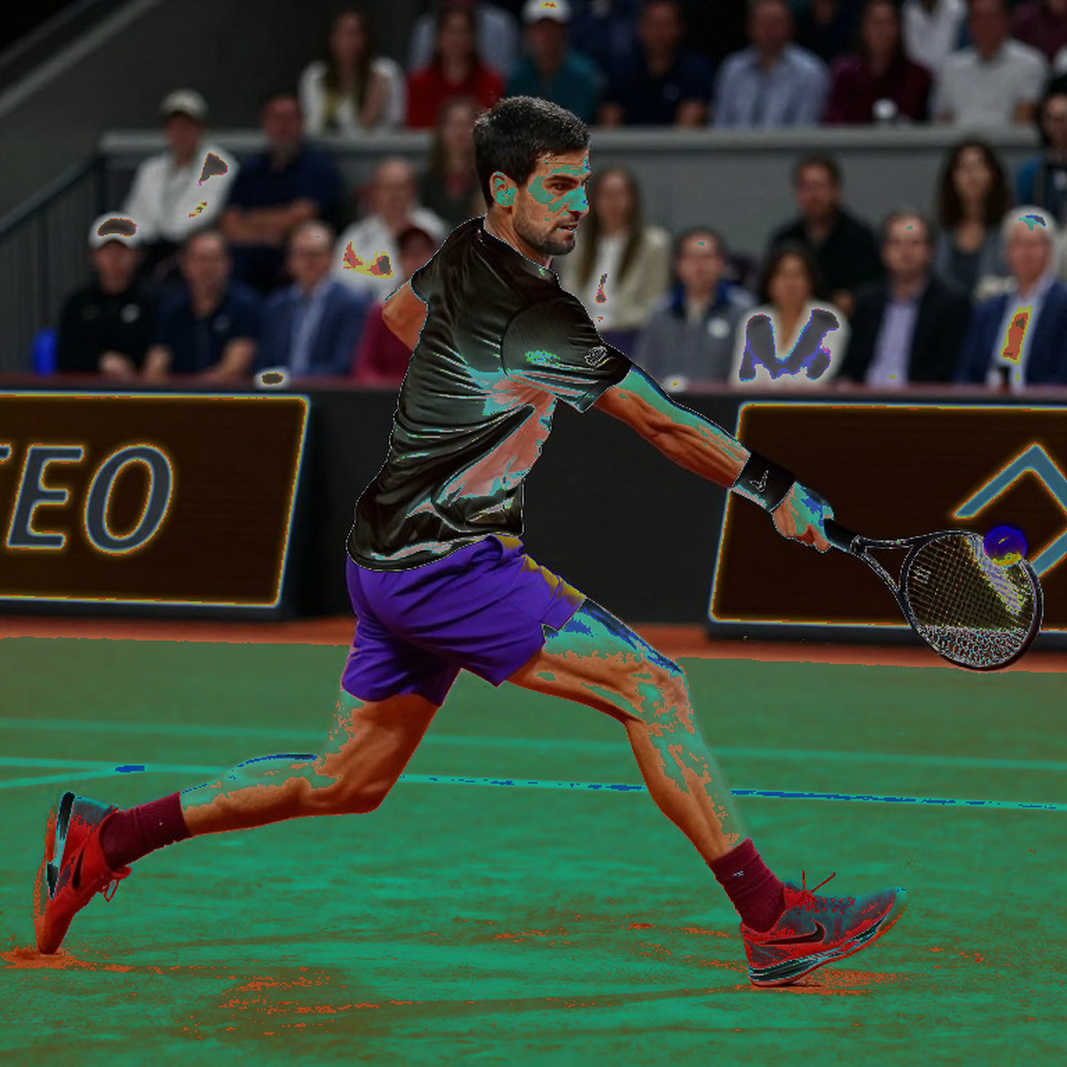
Context: three stories, one packaging mold
The real story behind Manchester City is genuine and ongoing. In February 2026, the Premier League charged the club with breaches of financial rules covering 2026 to 2026. The published number of charges is 115, not 114. The case went to an independent commission, with a right of appeal, and as of the moment the clip circulated, no final verdict had been reached. That is the minimum factual frame anyone reporting must grasp.
Alongside this, Manchester City's squad is valued at about 1.43 billion euros using a Transfermarkt-style aggregate, an estimated value rather than a club financial statement. Erling Haaland is said to be under monitoring by Real Madrid and Arsenal. On the Portugal national team side, Ronaldo was dropped from the starting lineup, missed a training session, and reports emerged of an emergency federation meeting. On the Argentina side, Messi received a tribute of legacy significance.
These three strands do not share an axis. One is a club-level governance and regulation story in England. Two is a national-team selection story. Three is a personal emotional and commercial story. Bundling them into a one-minute clip creates the impression that everything is collapsing at once, when in reality only one story matters institutionally.
A one-minute clip operates by its own logic. It has no room for conditional clauses, for the word if, for the sentence no verdict yet. It needs strong verbs, present tense, and a clear ending. That formatting pressure pushes producers to fill gaps with speculation, then present speculation as fact. This is a production model optimized for clicks, not for accuracy.
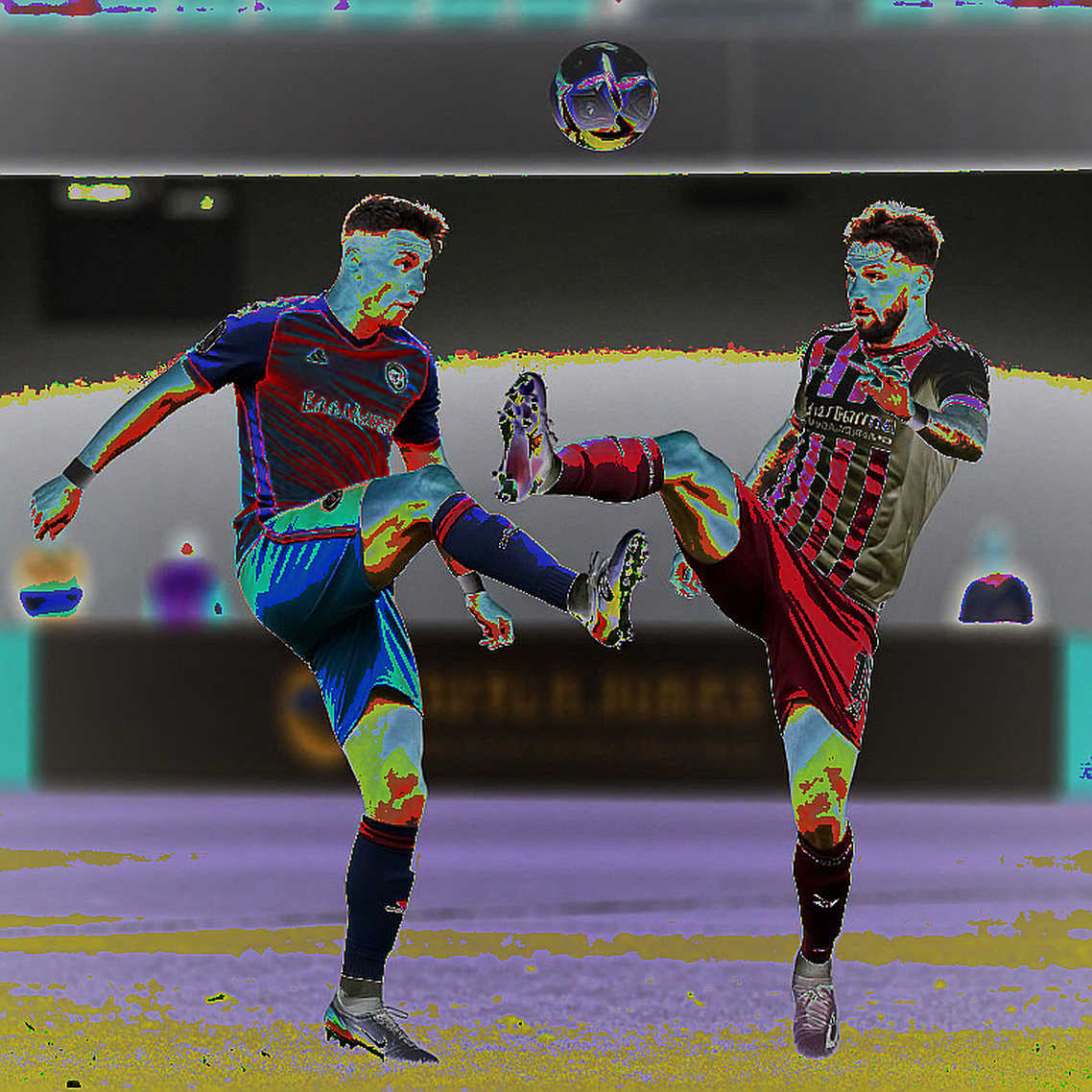
On Ronaldo, personal context also needs to be placed correctly. He plays for Al-Nassr in the Saudi Pro League, a competition with a different tempo and competitive level than the Premier League or La Liga. That affects how his form is judged at national-team level. On Messi, he has played for Inter Miami in MLS since 2026, and each return to Argentina is a symbolic occasion with a large commercial dimension.
The core: reading each strand again
Manchester City and the trap of confirmed guilt.
Based on my experience following matches across many World Cups and Olympic Games, I have drawn one simple rule: the more shocking the information, the more it must be checked. The most shocking claim in the clip is that the Premier League officially confirmed Manchester City guilty. This is the most serious error, and also the easiest to verify. In English football, top-level disciplinary cases are not self-confirmed by the league. They go through an independent commission, both sides present their case, and the verdict is the end point. Everton was docked 10 points in November 2026, later reduced to 6 on appeal. Nottingham Forest was docked 4 points in March 2026. Both were delivered rulings, with numbers and dates. The Manchester City case has not reached that stage.
When a source turns a pending case into a delivered verdict, it is wrong on the words, and then drags a chain of false consequences: guilty, therefore heavily punished, therefore the squad breaks up, therefore the stars leave. If the first link breaks, the whole chain falls. In the football media economy, the wounded giant with vultures circling sells more views than the boring truth: a case still waiting, with no one knowing the outcome.
Three scenarios can be imagined for the Manchester City case. Worst case: a finding of breach, a heavy sanction such as a points deduction or title stripping, followed by an exodus. Middle case: some charges upheld, penalties including fines and recruitment restrictions, with appeals continuing. Best case: charges dismissed or reduced on appeal, with the squad retained. All three depend on one milestone that has not occurred: the verdict.
The 1.43 billion euro squad value is not a sign of weakness.
A distinction is needed between book value and market value. Book value is the remaining transfer fee after amortization, usually far below market value. When a squad is valued at 1.43 billion euros, that value reflects a solid asset base, not a frail body. A fire sale, if it happened, would generate accounting profit on each deal, but a severe sporting loss.
This is the point the clip reverses. It turns a large asset into a threat. It does not say that a transfer ban would raise the price of Manchester City players through scarcity, while relegation would collapse it. The two sanction types push squad value in opposite directions. Ignoring that detail, the story loses its hardest and most telling part.

On Haaland, remember he joined Manchester City from Borussia Dortmund in the summer of 2026 for a reported fee of about 51 million pounds, low for a striker of his caliber at that age. His contract runs to 2027. Real Madrid and Arsenal being mentioned most likely reflects the permanent monitoring habits of big clubs, rather than a deal taking shape.
Ronaldo and Portugal's selection problem.
This is the most genuine strand in the clip, though still single-sourced. Ronaldo, at 39, stands before a national team operating to the rhythm of younger players. His losing the starting spot belongs to the realm of football decisions rather than scandal. His missing a training session could be a fitness signal, or a calculated leverage move. There is not yet enough evidence to conclude.
Portugal is in the middle of a generational transition. A new generation has matured, operating with high pressing and quick ball circulation. Placing a 39-year-old icon into that structure is a personnel-management problem more than a purely tactical one. Notably, if the emergency federation meeting is real, the matter has moved beyond the dressing room to the institutional level. That is a stronger signal than ordinary noise. But the clip assigns Portugal a win over Norway, an opponent that does not match the team's actual schedule. One small detail wrong, and the credibility of the whole reel drops.
Messi and the part that is emotionally right.
Among the three strands, Messi's tribute is the emotionally right part, even if the details may be imprecise. At 38, every time he wears the national shirt carries legacy meaning rather than competitive meaning. This is a memory story, and it is told in the right tone. Unfortunately, it sits beside two distorted strands, making it hard for viewers to tell which part can be trusted.
The rule I set for myself after the Kaliningrad mistake is the rule of three: a name, a figure, a verdict is only written when at least three independent sources confirm it, or one tier-one source. This clip violates that rule in nearly every line. The charge count is off by one. Player names who do not belong to the club are assigned to it. The opponent of a match is misremembered. Three errors in one minute add up to a clear signal: this is the product of an aggregation pipeline, not a newsroom.
The counterintuitive angle: the biggest risk is not on the pitch
Watching the clip, the natural reflex is to worry about Manchester City. But standing on the opposite side, the side of those who make the news, the real risk lies elsewhere. The biggest risk of a one-minute bulletin is the false certainty it creates, more than its lack of depth. Viewers leave the clip feeling they understand, when what they hold is a pre-packaged script.
There is an obvious paradox here. The same Manchester City story, told correctly, with the verdict pending, the charge count at 115, and every consequence still hanging, draws fewer viewers. But precisely that correct telling preserves trust over the long run. The footfall rhythm on the grass does not lie, you just need to stand at the touchline long enough. A news item is the same: it is only trustworthy when the writer is willing to stand long enough before typing.
I once witnessed empty stands during the pandemic, when the club I followed owed players three months of wages and 1,257 fans raised 560 million dong to keep the team alive. Empty stands, full hearts, that year I understood why I sit here. A crowd's trust is built by the smallest details, and eroded by the smallest details too.
Vietnamese viewers, as anywhere, receive this kind of content passively. They have no obligation to verify, and no tools to do so. So the responsibility lies with the producers, and with serious journalists who must state clearly what holds up and what does not.
What to track next
For Manchester City, the milestone to follow is any official statement from the independent commission or the Premier League, not the aggregator summaries. For Haaland, the milestone is a concrete bid or an activated contract clause. For Ronaldo, it is Portugal's official squad list. For Messi, it is an announcement from the Argentine federation about a specific fixture.
How we observe matters just as much. A news item is only trustworthy when it names the source, names the timing, and is willing to leave the story unresolved. Football does not lack real drama. The reporter's job is not to add fake drama to it.